


How AG1 Built a $600M Health Empire: The Complete Marketing Breakdown


AG1 is the Neil Armstrong of green juice. The OG wellness guy at the party who wore Crocs before they were cool again.
Since 2010, they've turned a daily nutrition powder into a cultural phenomenon. You've heard them on your favourite podcast. You've seen their bottle in your Instagram feed 47 times this week. You know someone who drinks it religiously.
But here's what most brands miss when they try to copy AG1: they won by educating, while everyone else was selling.
While Huel launched 10 SKUs and Bloom created product lines for every niche, AG1 looked at the chaotic supplement market and said: "One product. That's it."
And it worked.
This breakdown reveals the exact strategies AG1 used to dominate the wellness space. You'll see their organic content system, their podcast sponsorship playbook, their paid ads strategy, and the website tactics that turn browsers into subscribers.
Let's go.
 The Foundation: How AG1 Positioned Themselves to Win
One Product, Three Audiences
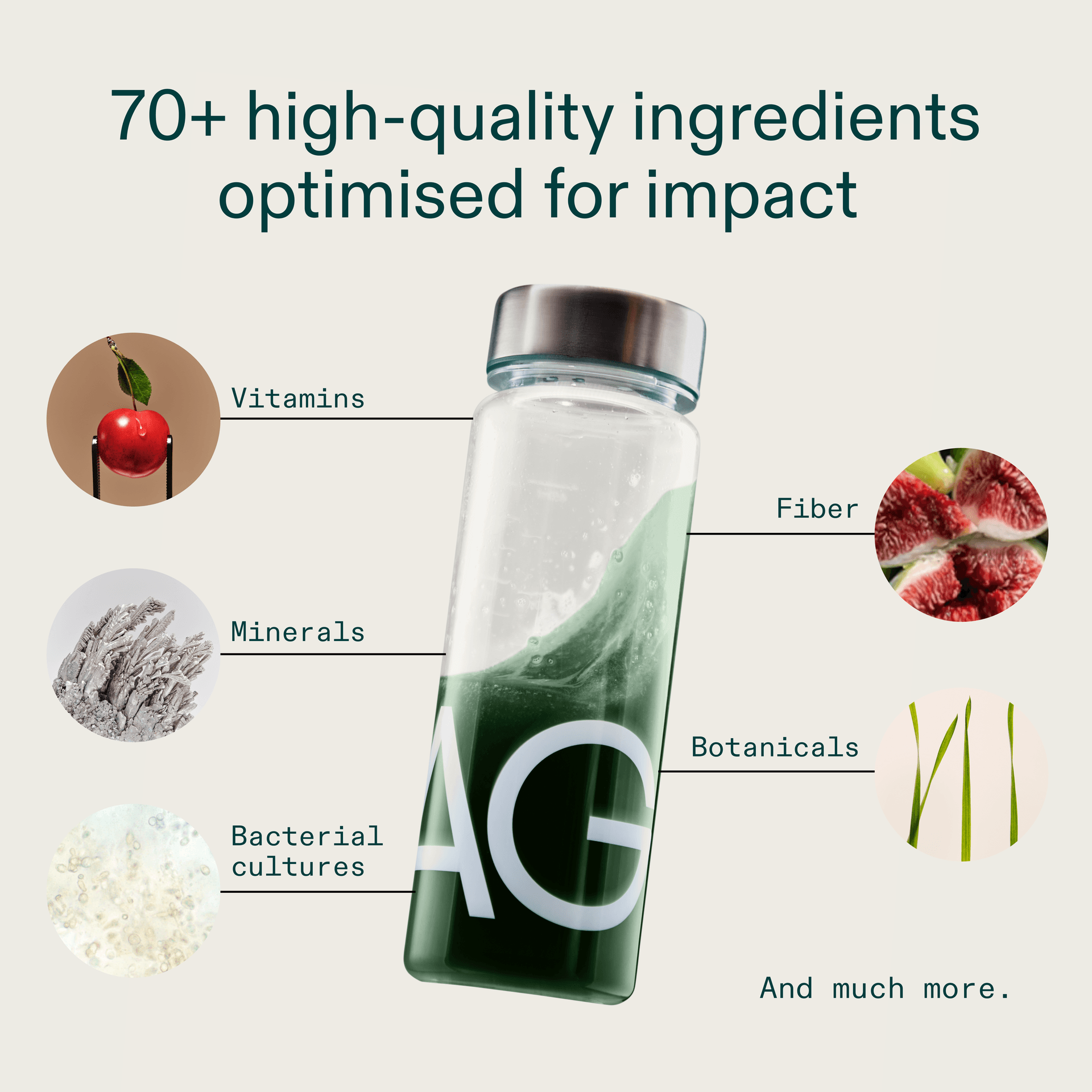
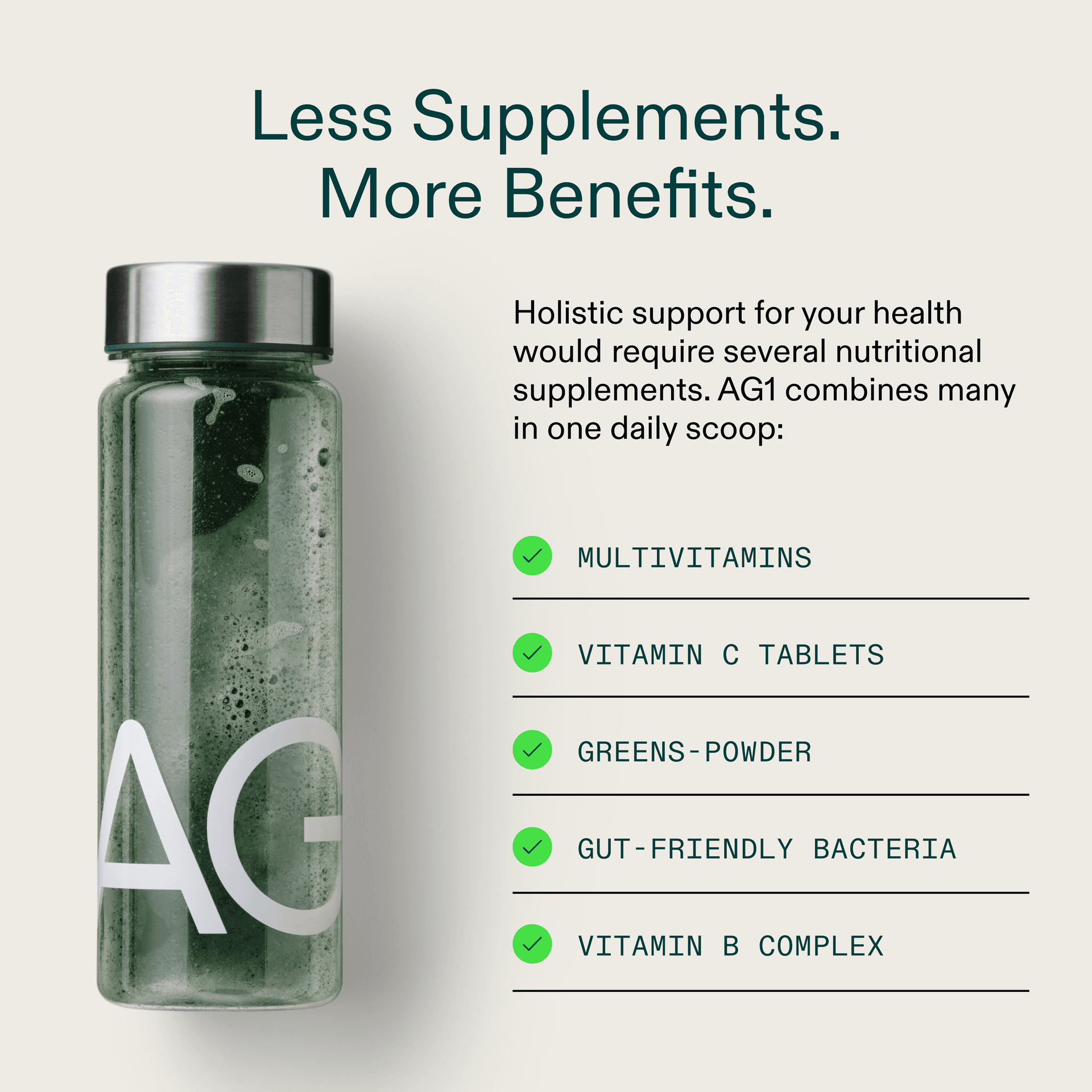
AG1 launched in 2010 with a single product: a daily nutrition powder mixing 75 vitamins, minerals, probiotics, prebiotics, and superfoods. One scoop in water every morning, and you're covered.
The supplement industry thrives on complexity. Walk into any health store and you'll see protein for muscle, greens for digestion, adaptogens for stress, collagen for skin, and probiotics for gut health. The average wellness enthusiast has 8-12 bottles in their cabinet.
AG1 looked at this mess and created nutritional insurance. Everything in one scoop.
They targeted three core audiences:
Busy Professionals who need a simple solution that fits into a hectic lifestyle. No time for 10 different supplements.
Athletes and Fitness Enthusiasts who prioritise performance and wellness. They want products that support their active routines and recovery.
Health-Conscious Consumers who invest in preventive health. They're drawn to high-quality ingredients and science-backed benefits.
The genius here: these audiences have different motivations but the same problem. Supplements are confusing as hell. AG1 solved it with radical simplicity.

The Price Objection Hack
Premium supplements have a built-in problem: they're expensive. AG1 costs around $77 for a 30-day supply. That's more than most people spend on groceries in a week.
So AG1 reframed the conversation.
They don't say "$77 per month." They say "less than $3 a day."
Same price, completely different perception. Three dollars is a coffee. Seventy-seven dollars is a decision you have to think about.
They also added a subscription model with bonuses. Subscribe and you get a metal scoop (worth $6), a premium shaker bottle (worth $15), 10 travel packs (worth $40+), and Vitamin D drops (worth $25+).
The product costs $77 but the package you receive looks like a $150+ hamper. Your brain registers value and the price objection dissolves.
The Competitive Edge: Simplicity
AG1 operates in a crowded market. Huel, Bloom Nutrition, and Verve all compete for the same customers. But here's where AG1 separated themselves:
Huel sells nutritionally complete meal replacements with multiple products (Huel Powder, Huel Black, Huel Ready-to-Drink, protein bars). Plant-based focus with sustainability messaging.
Bloom offers greens and superfoods powder with multiple products for pre-workout, recovery, and digestion support. Strong social media presence and influencer partnerships.
AG1 has one product. That's the whole lineup.
Most brands think more options equal more revenue. AG1 proved the opposite. More options equal more confusion, and confused customers don't buy.
When you visit the Bloom website, you have to decide: Original Greens, Vanilla Coconut Greens, or Mixed Berry Greens? Pre-workout or post-workout? Digestion support or energy boost?
When you visit the AG1 website, you decide: Yes or no.
This simplified decision-making removes friction. You're choosing whether to prioritise your health, period.
Why This Strategy Works
AG1 identified something crucial: the supplement industry had created paralysis through choice. People wanted to be healthier but didn't know where to start. Every brand was adding more products, more claims, and more complexity.
AG1 went the opposite direction.
They combined convenience (one scoop), comprehensiveness (75 ingredients), and authority (science-backed formulation) into a single product. Then they built their entire marketing strategy around education, proving they understood wellness better than anyone else.
The result: AG1 became the default choice for people who want to get healthy without becoming supplement experts.
And that's just the foundation. The real magic happens in how they market it.
Brand Strategy: The Caregiver Archetype
AG1 embodies the Caregiver archetype. They position themselves as your trusted partner in maintaining daily health. Not a drill sergeant yelling about gains. Not a guru promising miracles. A caregiver helping you make better choices.
Their messaging complements this identity by emphasising convenience: "All your nutritional insurance in one scoop."
Through science-backed content, health tips, and case studies, they help both beginners and health enthusiasts gain confidence in their wellness choices. They never talk down to you. They educate.
This creates a powerful dynamic. When AG1 posts about gut health or immune function, they're teaching. The sale happens naturally once you trust their expertise.
Here's where most wellness brands go wrong: they lead with product features. "Our greens powder has 50 superfoods!" "We use organic spirulina!"
AG1 leads with outcomes. "Here's how to support your digestion." "Here's what your body needs for sustained energy." Then, almost as an afterthought: "AG1 has everything you need."
The Caregiver archetype allows AG1 to become a resource first and a brand second. You don't follow them for ads. You follow them for health information that actually helps. The buying decision becomes inevitable.
The Organic Content Machine
AG1's organic content strategy is where they really separate from competitors. They've built a system that combines expert authority, aspirational ambassadors, and community-driven content into a machine that runs constantly.
Health Expert Ambassadors
AG1 collaborates with experts like Dr. Andrew Huberman and Tim Ferriss, both well-known in the functional health arena. These partnerships are strategic alliances with people who have spent years building credibility in health optimisation.
When Andrew Huberman talks about AG1 on his podcast, it carries weight. He's a Stanford neuroscientist with millions of followers who trust his research-backed analysis of health. He explains why he personally uses it.
When Tim Ferriss mentions AG1 in his newsletter, his audience listens. He's built a reputation for testing and optimising everything in his life. If it's good enough for Tim, it's probably worth considering.
This is how you build a culture around your brand. AG1 tapped into existing fanbases that already valued health optimisation. They didn't have to convince Huberman's audience that wellness matters. They just had to show them the simplest path to get there.
Athlete and Lifestyle Ambassadors
AG1 collaborates with athletes and wellness personalities like Colin O'Brady (endurance athlete), Dan Churchill (chef), and Lewis Hamilton (Formula 1 champion). These partnerships extend beyond simple sponsorships.
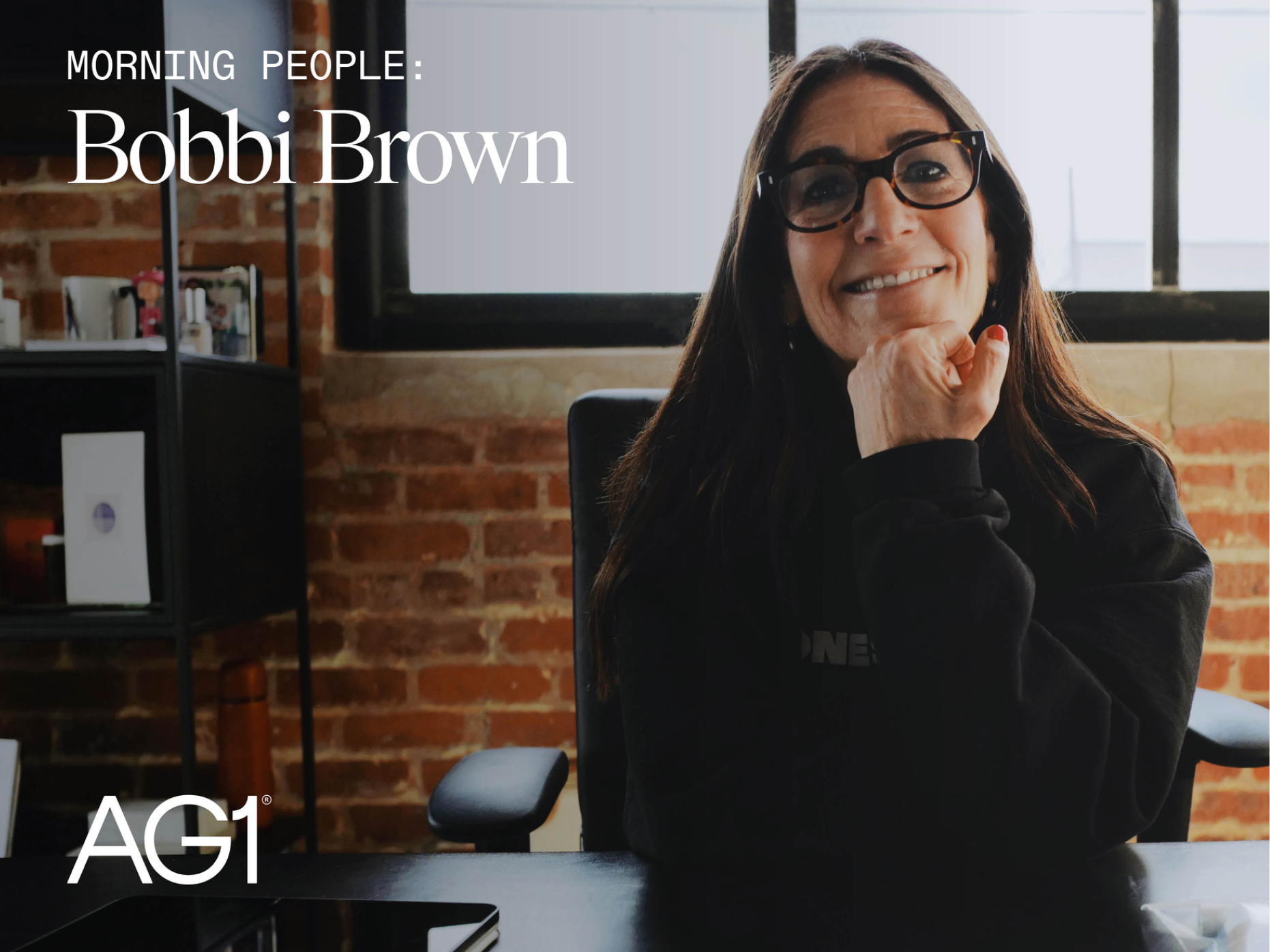
The "Morning People" series profiles how these ambassadors start their day. You see Colin O'Brady's 4am routine before an ultra-endurance event. You watch Dan Churchill prep his breakfast while mixing AG1. You get a glimpse into Lewis Hamilton's pre-race nutrition.
The bottle appears naturally in the frame because these people genuinely use it. That authenticity matters.
Ambassadors share insights on how AG1 supports their routines, offering relatable real-life applications. You're learning from someone living the life you aspire to.
Storytelling builds culture. AG1 understands that going beyond the product and stepping into the lives of your ideal customer creates connection. The product becomes a character in a larger story about performance, health, and optimisation.
Influencer Seeding and UGC Strategy
AG1 frequently shares content from influencers and customers on Instagram. This community-driven strategy builds trust and credibility through social proof.
Here's the breakdown of their UGC strategy:
Reposting User-Generated Content: AG1 shares customer posts regularly, turning their feed into a community gallery rather than a brand billboard.
Minimising Branded Posts: They focus on user-generated content to drive engagement without relying heavily on traditional branded posts. When you scroll their Instagram, you see real people more than you see product shots.
Driving Engagement: This strategy encourages more interaction and participation from the community, keeping the conversation authentic.
Building Social Proof: By highlighting real experiences, AG1 builds credibility. Seeing 50 different people post about their morning routine with AG1 is more convincing than any ad campaign.
The ratio matters here. For every branded post, AG1 shares 3-4 pieces of community content. This creates a feed that looks like a movement, with AG1 at the centre.
Social Proof Through Real People
We know by now that science is one of the cornerstones of AG1's strategy. Showing observational study participants' stories on their socials gives the audience a window into what experiencing the brand is like.
Speaking about experience, AG1 realised that a green, watery liquid might look like it tastes terrible. So they use real people to taste their drinks on camera, get instant feedback, and post it as regular content. This shows authentic reactions to what the product actually tastes like.
Lean into what makes your brand unique. AG1 nails this.

Educational Content (Sell Later)
AG1 integrates health tips and wellness information into their social media without always mentioning their product. Sometimes they post "What to eat in Fall for gut health" with zero reference to AG1.
This makes them a valuable resource in health circles. Only then do they offer solutions to common health issues with their product.
Becoming known in the industry as an expert or information hub can be a brand's hidden superpower. Sell later.
AG1 also creates product education content that breaks down the complex ingredients and benefits in a clear, engaging manner. They highlight key elements like vitamins, minerals, probiotics, superfoods, and stress adaptogens.
This educational strategy addresses customer questions about nutrition and health. By presenting the product's composition in simple terms, AG1 makes it easier for consumers to understand its value and role in daily health routines.
This builds trust. The educational strategy positions AG1 as a knowledgeable and trustworthy brand, helping to build consumer confidence in the product.
Giveaways and Brand Partnerships
AG1 engages its audience and builds brand awareness through partnerships with aligned brands like Lettuce Grow (home gardening), TRX (fitness), and True Food Kitchen (healthy dining).
These collaborations with brands in the fitness and wellness space promote a healthy, active lifestyle. Giveaways typically feature clear calls to action, like following both brands and tagging friends, to increase participation and engagement.
These partnerships enhance AG1's visibility, attract new customers, and encourage community engagement by offering rewards that align with their audience's values.
Community and IRL Events
AG1 builds community through pop-up trucks, run days, activations, and attending major events where their athletes compete, like Ironman races.
They allow people to sample products and engage with the brand in person, creating personal connection. Moreover, they film mid-ice bath interviews and taste tests with random people, then use the content on their socials.
IRL events make sense for most brands nowadays, especially with the lack of real connection amongst humans. Great for marketing, giving back, and getting a boatload of content.
Building a culture around your brand is also much easier done with this method of marketing.
Podcast Domination: The $600M Channel
AG1 is the behemoth of podcast sponsorships. They partner with over 253 podcasts and have featured in more than 3,400 sponsored episodes. By going all-in on this medium, they created their own subculture of followers, making them stand out amongst similar brands.
Everyone knows AG1 is the podcast brand.
These partnerships focus on health-conscious and wellness-oriented audiences. Podcasts like Modern Wisdom (Chris Williamson), Work on Your Game (Dre Baldwin), and Huberman Lab discuss topics that align perfectly with AG1's product.
Their sponsorships include offers like free travel packs or discounts which give listeners a reason to purchase. Each podcast gets a unique code (usually the host's name) so AG1 can track which shows drive the most conversions.
Here's why podcasts work so well for AG1:
Time and attention. Podcast listeners have 60+ minutes of uninterrupted attention. They're running, commuting, or working. They're not scrolling. When they hear the same brand in 5 different podcasts they trust, buying becomes inevitable.
Trust transfer. When Joe Rogan or Andrew Huberman talks about AG1, their endorsement carries weight. Listeners trust these hosts. That trust transfers to AG1.
Repetition. AG1 sponsors podcasts for months or years. You hear the same message repeatedly. This builds familiarity and removes the "I've never heard of this brand" barrier.
Targeted reach. AG1 sponsors podcasts across different niches (fitness, business, science, comedy) but all share one thing: health-conscious audiences who can afford a premium product.
The podcast strategy also solves a major problem for wellness brands: education. You can't explain 75 ingredients in a 15-second Instagram ad. But you can in a 90-second podcast ad read. The host can talk about why they use it, what benefits they've noticed, and how it fits into their routine.
AG1 sponsors everything from massive shows like Joe Rogan to niche podcasts like Bourbon Moth (a woodworking podcast). And somehow, it all works.
Paid Advertising: Meta and Google Strategy
AG1's paid ads strategy blends Meta Ads, Google Ads, and affiliate marketing to create a comprehensive funnel. On Meta, AG1 uses a mix of video and static creatives that focus on health concerns like energy and digestion, using different regional and age-specific messaging to optimise performance.
Meta Ads Strategy
AG1's strategy with Meta is to use the organic content that works, then boost it with copy variations. The familiarity it breeds is brilliant because it doesn't seem like you're being marketed to (you almost don't notice the sponsored tag).
They post a lot of BOF (bottom of funnel) offers paired with product education to quickly communicate their expertise and benefits. The FREE kit strategy works because it represents a huge load of value from the start and gets customers through the door fast.
Visually showing what the customer will get is another skilled move because the hamper makes you perceive you're getting more than just a product.
AG1 even advertises in Japan, showing their massive global reach. Funny wording breaks the seriousness of other ads and makes the brand an instant ally with customers. (Example: "4 reasons THIS will help you poop" - direct, casual, and educational.)
Google Ads Strategy
AG1's Google Ads strategy highlights key benefits like boosting energy, improving digestion, and supporting overall health through concise messaging.
They test different headlines, such as "Boost Energy, Focus & Mood" and "Get Your Free AG1 Welcome Kit," paired with calls to action like "Get 20% off with subscription."
Each ad is designed to appeal to health-conscious consumers by emphasising easy-to-understand benefits like "probiotics, greens, and multivitamins in one daily scoop."
AG1 features offers like free welcome kits and subscription discounts to drive conversions and attract new customers, constantly testing copy and offers to maximise reach and performance.
Partnerships and Affiliate Marketing
AG1's marketing strategy partners with influencers, content creators, and wellness professionals to extend their reach. Affiliates earn up to 30% per sale, offering strong incentives for partners to promote AG1.
By collaborating with individuals and organisations aligned with health and wellness, AG1 enhances credibility and attracts new, engaged audiences. Affiliates share AG1's benefits with their communities, driving traffic and conversions, making the partnership advantageous for both parties.
Email and Newsletter Strategy
AG1's email strategy revolves around education. Remember, their goal is to be known as the experts in the field, which they're doing a very good job at.
Welcome Flow
AG1's welcome email lets the subscriber know they're part of a community. This culture-making email educates while communicating the brand's caregiver archetype, almost making you sense you're in safe hands.
They immediately explain the product and its benefits which furthers their expert narrative. They're saying: "You are in safe hands, we know what we're doing."
The welcome flow introduces the benefits of their daily nutrition product and includes time-limited discount codes to encourage first-time purchases.
Product Education Emails
They understand that supplements and nutrition can be a confusing topic, so they clearly explain what your body will experience after a month (based on science) and also what the ingredients in AG1 will do to your body.
Highlighting the science behind AG1, revealing clinical results and customer benefits, and explaining the long-term advantages of using it makes the brand more reliable.
Making complicated things about your product understandable to your audience is a great way of connecting with them.
Bottom of Funnel Emails
AG1 focuses on driving conversions by addressing the final decision-making factors for potential customers.
The message "AG1 Costs Less Than $3 a Day" breaks down a major objection: cost.
Other bottom-of-funnel emails are also effective in driving urgency and leading clicks to the site. Offering extras like a metal scoop, shaker bottle, or travel packs with subscriptions adds value, providing the final push to encourage purchase decisions.
Newsletter Strategy
Their newsletter, which they send periodically, continues the educational angle by sharing expert-backed content on health and wellness. AG1 balances promotions with valuable, non-sales-focused content to keep subscribers engaged.
Website and UX
AG1's website is designed with a strong focus on education and simplicity. The user experience revolves around educating visitors about AG1 and its benefits.
Homepage
The moment you open the page, you see on-brand, high-quality images and videos. Their reviews are immediately visible and typical of AG1 they show the benefits of their products from the start.
They do this in a visually appealing way that makes the audience comfortable exploring the page.
It helps to have a testimonial section featuring Sir Lewis Hamilton as well.
The site uses clear, informative content like infographics and facts that guide users through the health benefits of this all-in-one supplement.
Ingredients Page
One of AG1's standout pages is the Ingredients page. It emphasises key benefits such as boosting energy, improving focus, and enhancing digestion. They list and explain how AG1's 70+ ingredients support overall health in a beautifully visual and simple way.
Landing Pages
AG1's Meta ads lead to various landing pages, with most being the Welcome Kit page. It's simple with quick-fire information and social proof clearly visible to make the purchase easier. If you want a little more information, the ingredients and research buttons are well within reach.
Some ads lead to AG1's blog, a clear commitment to simply educating their audience. What's notable here is that they used the same word they referred to in the ad to meet the target's expectation. (The word is poop.)
Cliff-notes:
- Test constantly
- Ensure the page delivers what the audience expects from wherever they clicked
- Educate first, sell later
Social Proof
AG1 features endorsements from respected health figures like Dr. Andrew Huberman, and members from their in-house scientist team help bring home their expert-driven product education tactic.
Thousands of verified customer reviews with high star ratings show that people love AG1 and are passionate about its benefits.
The combination of expert endorsements and real customer feedback does wonders for the way their product is viewed.
A major feature on the site is the Ingredients and Research pages that land their educational strategy. AG1 also highlights customer reviews, ambassadors, and FAQs prominently, which helps potential customers become more comfortable with purchase.
What You Can Steal from AG1
AG1 is a market leader when it comes to health and nutrition. Although competitors are knocking at the door and some criticism came with the fame, they weathered every storm to still be an outstanding brand.
What stood out: they stuck to their strategy, doubled down on what worked, and rode the waves of uncertainty to come out on top. Their partnerships, series content (like Morning People), high-quality product content, and intentional focus on working with science to create a better world for their target audience made them a beast in their product category.
More than anything, they simplified (besides the stats and graphs backing their scientific claims) being healthy and even made selling it easier with brilliant copy. By putting their product into everyday, high-performing people's hands, they showed what could be achieved with using their product.
Heck, they even sponsor a woodworking podcast called Bourbon Moth. And somehow it works.
Here's what you can steal:
1. Become the educator, sell later. Build authority first. Sales follow expertise. AG1 posts health tips without mentioning their product. They build trust through education, then the buying decision becomes natural.
2. Simplify your offer. AG1 has one product whilst competitors have 10+ SKUs. How many products are confusing your customers? Simplicity removes friction.
3. Double down on what works. AG1 saw podcasts working and went ALL IN. 253 podcasts, 3,400+ episodes. Find your channel and commit.
4. Make your ambassadors aspirational. Don't pick influencers randomly. Pick people living the life your customers want. Andrew Huberman and Lewis Hamilton use AG1 because they genuinely optimise their health.
5. Use UGC as ads. If content works organically, boost it. AG1 reposts customer content more than branded content. It creates authenticity at scale.
6. Break down objections visually. "$77 for powder" becomes "Less than $3/day" or "Free Welcome Kit." Same price, different perception.
7. Build community IRL. AG1 hosts run days, pop-ups, and attends events where their ambassadors compete. This creates connection beyond the screen and generates loads of content.
8. Educate constantly. AG1's email strategy, blog content, and social media all teach before they sell. This positions them as the go-to resource in wellness, making the purchase decision inevitable.
Get the Full AG1 Marketing Playbook
This breakdown scratches the surface. The full AG1 Marketing Playbook includes:
- Complete funnel breakdowns for TikTok, Instagram, YouTube, and Email
- 50+ screenshots of their highest-performing ads and content
- Step-by-step breakdowns of their ambassador strategy
- Landing page teardowns
- Email flow analysis
- Miro board with the complete marketing ecosystem mapped out
Download the Full AG1 Playbook – it's free, and you'll see exactly why this brand is dominating.

